Skip the struggle of correcting DOB’s fire escape violation with our OSHA-licensed fire escape painting and DOB violation removal professionals
We perform the repair, coordinate the re-inspection, and support the amended filing, so your building moves from UNSAFE back to SAFE.
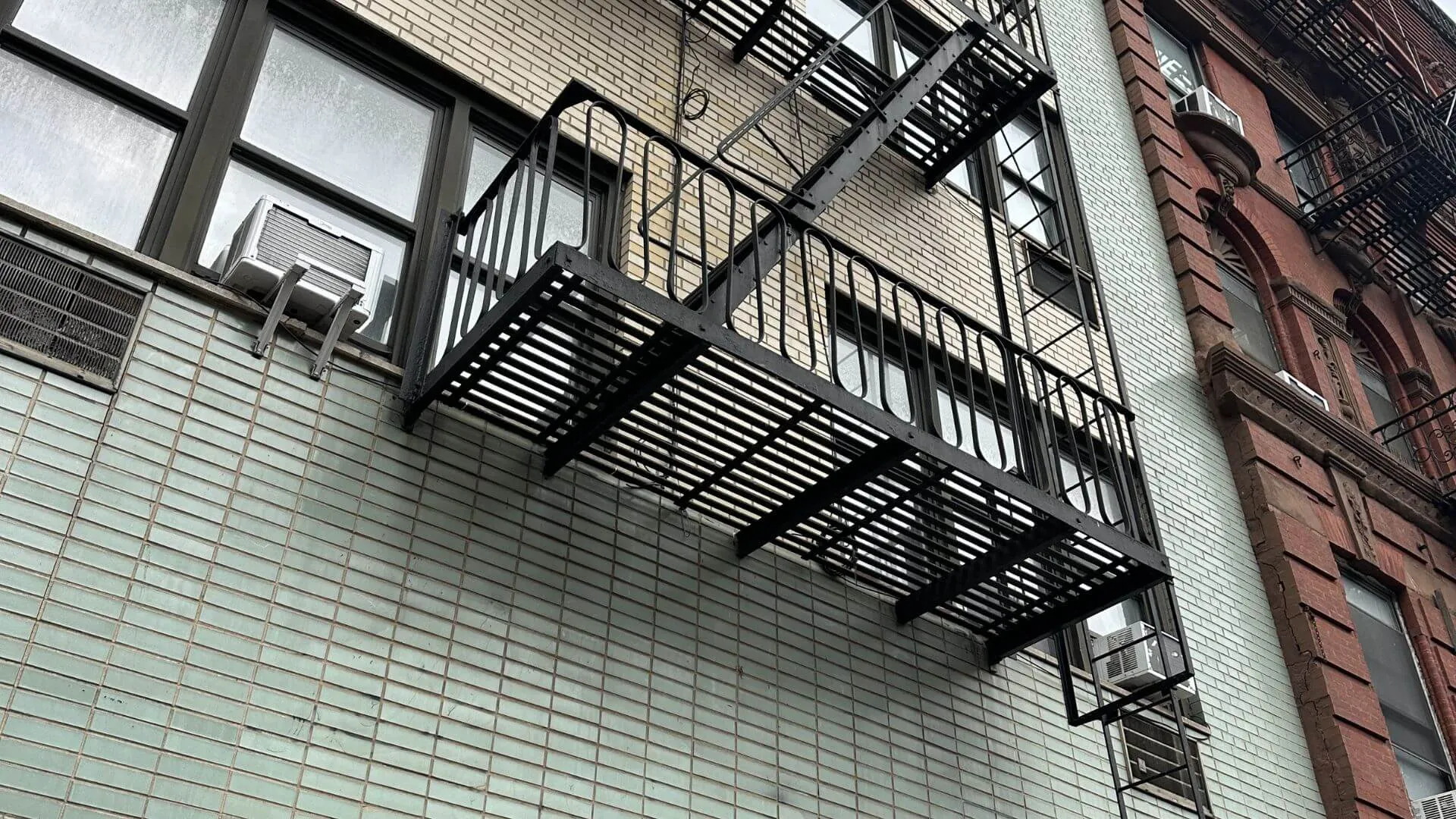
NYC Fire Escape Painting specializes in the exterior structure side of FISP compliance across the five boroughs. Our crews repair and restore fire escapes, drop ladders, anchorage systems, guardrails, railings, and connected structural steel components tied to façade compliance.
Moreover, we work alongside QEWI engineering firms to execute the repair scope required to move the building back toward SAFE status. From handling structural rust correction to documenting your QEWI’s reinspection and filing the amended report through DOB NOW, we have your back throughout.
Our daily workflow operates within the requirements of:
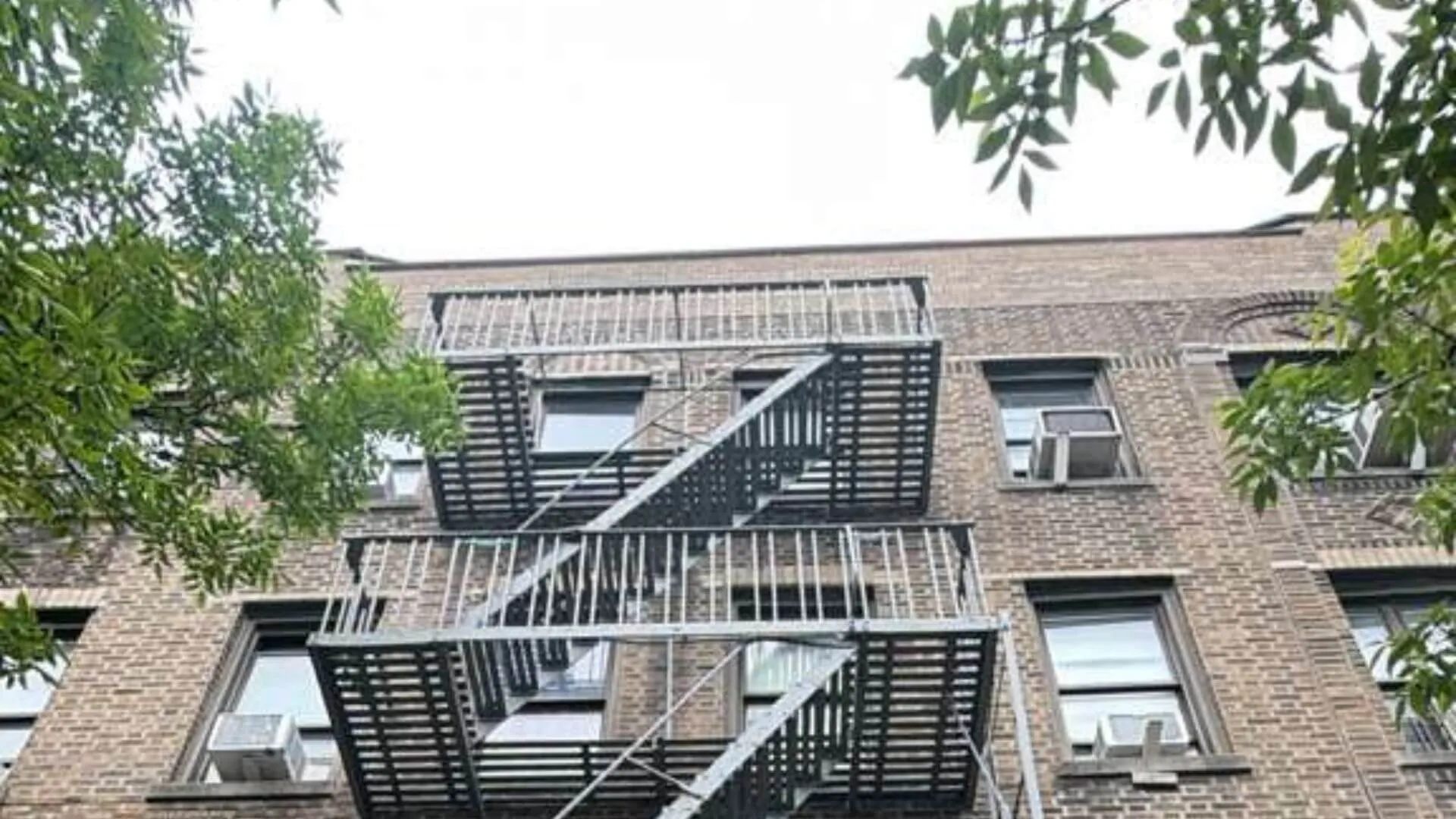
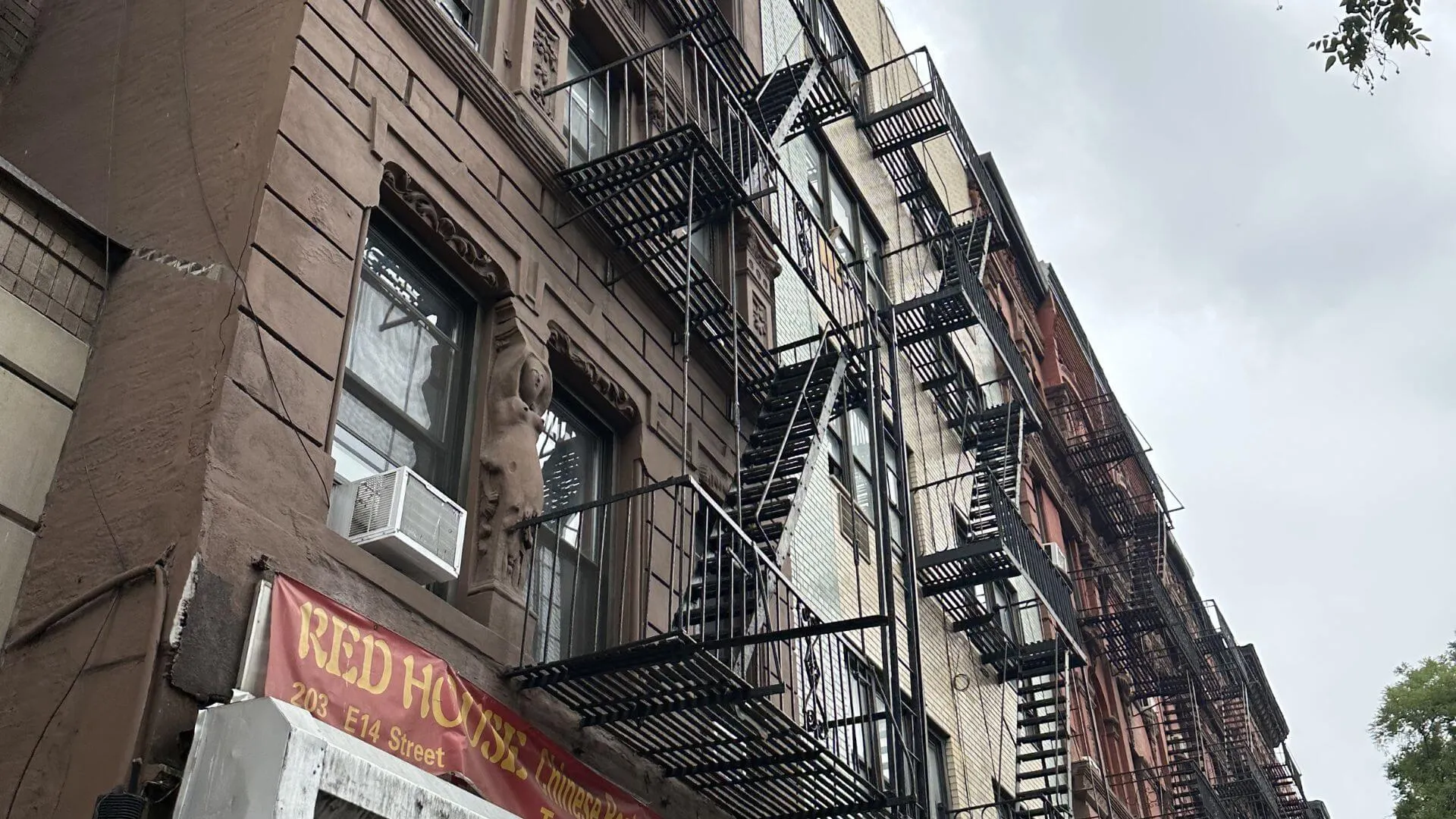
Local Law 11 Compliance in NYC stems from mandatory façade inspection laws made to enforce high-rise safety. QEWI inspectors evaluate fire escape conditions during five-year inspection cycles.
According to the law, buildings above six stories must undergo inspection and file reports within defined regulatory deadlines. Failure to comply triggers financial penalties and enforcement actions from the NYC Department of Buildings.
Fire escapes receive classification under SAFE SWARMP or UNSAFE conditions based on structural findings.
We operate within these regulatory requirements to restore compliance by executing targeted repairs.
Buildings taller than six stories in any NYC borough generally fall under FISP filing requirements.
Newly constructed buildings must file their first report during the first FISP cycle that begins five years after the issuance of the Temporary Certificate of Occupancy or Final Certificate of Occupancy.
Block numbers ending in 4, 5, 6, or 9
Filing window: February 21, 2025 – February 21, 2027
Block numbers ending in 0, 7, or 8
Filing window: February 21, 2026 – February 21, 2028
Block numbers ending in 1, 2, or 3
Filing window: February 21, 2027 – February 21, 2029
You can locate the tax block number through ACRIS, DOB BIS lookup tools, or the FISP Universe Map using the building BBL.
A SAFE classification means the QEWI found no repair conditions during the current FISP cycle. We help owners keep structures from slipping into SWARMP status through preventive rust removal, anchorage tightening, coating replacement, and scrape-prime-paint maintenance before deterioration appears in the next Critical Examination Report.
SWARMP means deterioration exists but does not yet qualify as immediately hazardous. We review the QEWI report, repair the listed conditions, complete rust removal, anchorage reinforcement, coating restoration, and prepare documentation supporting the amended filing before the condition escalates into UNSAFE status.
UNSAFE means the QEWI identified hazardous conditions requiring immediate corrective action. We mobilize same-day for stabilization, welding, anchorage repair, drop-ladder replacement, and documentation support while coordinating directly with the QEWI to help clear the unsafe condition from the DOB record faster.
We isolate every fire-escape-related condition and build a repair scope based on the classification level.
Our fire-escape specialists perform same-day site visits to verify field conditions, photograph deficiencies, and confirm repair logistics.
We coordinate with the QEWI to confirm repair standards before work begins. This reduces amended-report disputes during re-inspection.
Our crews complete AWS-certified welding, anchorage reinforcement, drop-ladder restoration, scrape-prime-paint systems, and structural component replacement. They also handle RRP lead-safe surface preparation for older structures.
We prepare before-and-after photographs, welder certifications, paint specifications, and dated field logs to support QEWI filing.
Our team coordinates re-inspection scheduling and address correction items immediately until the amended report reclassifies the building back to SAFE.
We perform Local Law 11 Compliance for projects in Manhattan, Brooklyn, Queens, the Bronx, and Staten Island across residential, mixed-use, institutional, and commercial buildings. Our crews understand the workflow expectations for every NYC DOB borough office and the amended filing process.
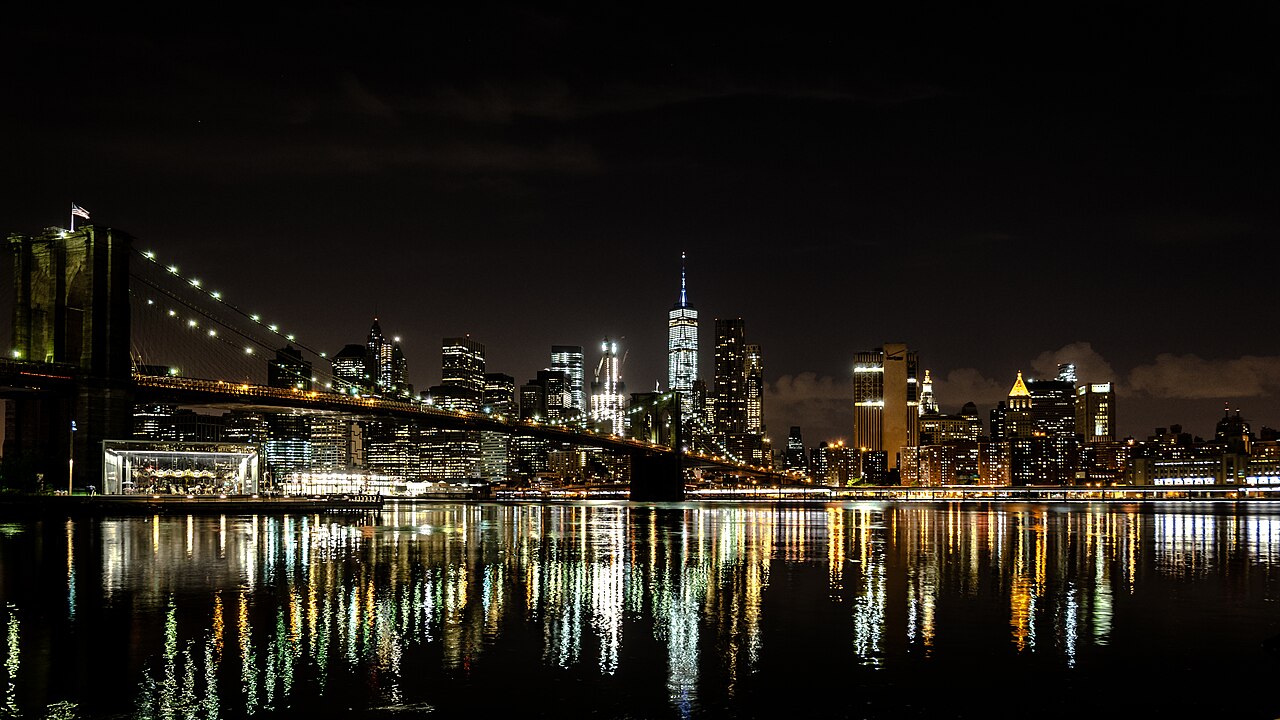
In Manhattan, we handle landmarked properties, pre-war walk-ups, and older mixed-use buildings where LPC coordination, sidewalk congestion, and active pedestrian exposure affect repair sequencing and public protection requirements.
Projects here often involve deferred SWARMP conditions on brownstones, multifamily rentals, and mid-rise buildings, where owners need to complete corrective work before the next inspection cycle triggers UNSAFE reclassification.
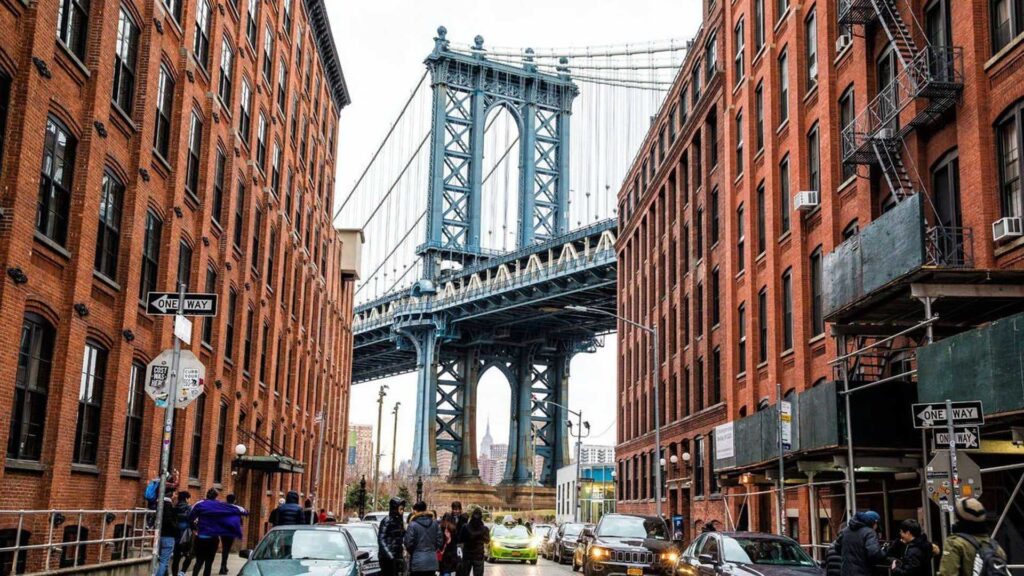
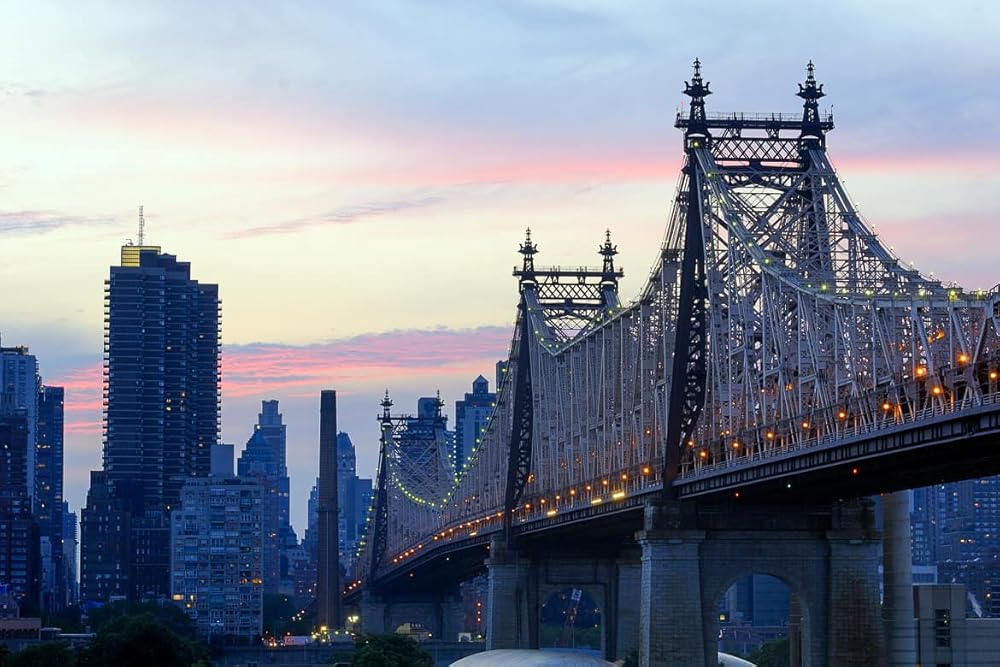
Buildings in this neighbourhood frequently require large-scale coating restoration, anchorage repair, and structural correction across aging multifamily inventory tied to Cycle 10A filings and active DOB compliance deadlines.
Properties here commonly involve long-delayed deterioration, unstable steel connections, and recurring maintenance issues that escalate from minor repairs into active UNSAFE filings requiring immediate stabilization.
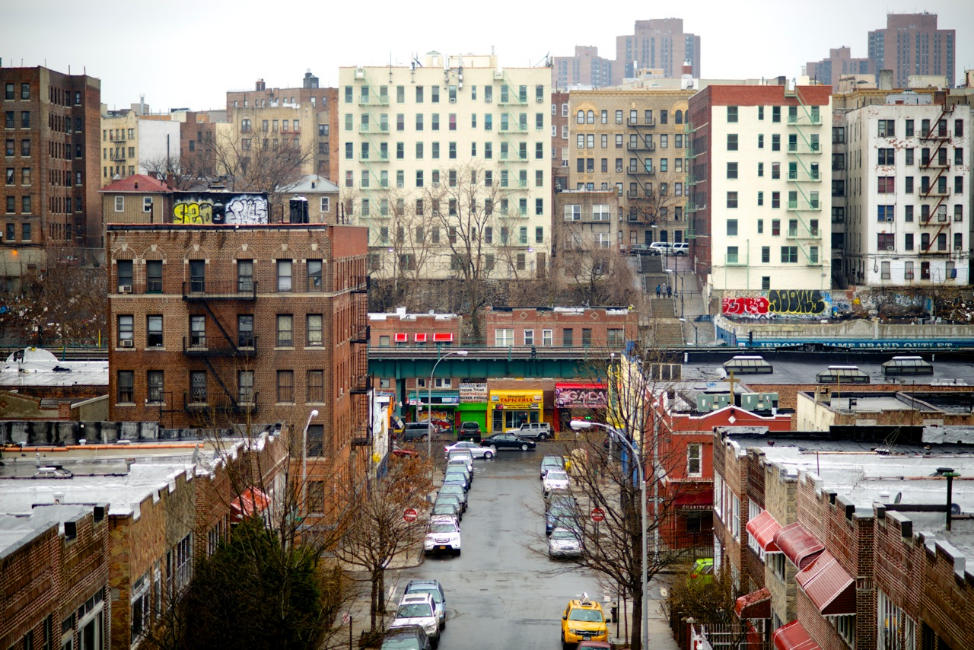
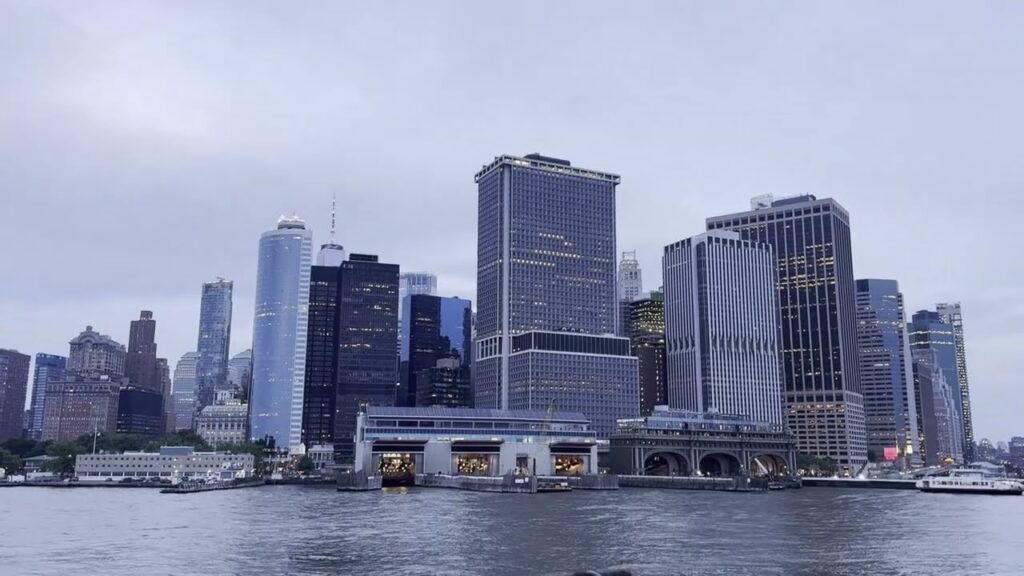
The area usually involves smaller residential and commercial properties where owners need guidance through the FISP correction process, amended filings, and DOB compliance timelines after receiving QEWI findings.
Violation | Penalty |
Late filing of the initial FISP report | $1,000 per month |
Failure to file a report | $5,000 per year |
Failure to correct SWARMP | $2,000 civil penalty |
Failure to correct UNSAFE condition | $1,000/month plus pedestrian protection penalties |
ECB/OATH base UNSAFE penalty | $5,000 up to $25,000 |
Default judgment | Up to $25,000 plus 9% interest |
Non-compliance creates problems beyond the DOB penalties themselves.
Open FISP violations can block refinancing, property sales, and permit approvals. DOB may issue stop-work orders affecting unrelated construction activity. Insurance carriers often reevaluate risk exposure after UNSAFE fire escape conditions appear in public records.
Long-term pedestrian protection requirements often impose major monthly carrying costs while unresolved façade or fire escape conditions persist. Buildings also remain exposed to additional liability during extended repair delays.
Every month, an unsafe fire escape remains unresolved, penalties continue, liability exposure increases, and compliance pressure grows. Fast mobilization reduces repair timelines, financial exposure, and long-term compliance risk.
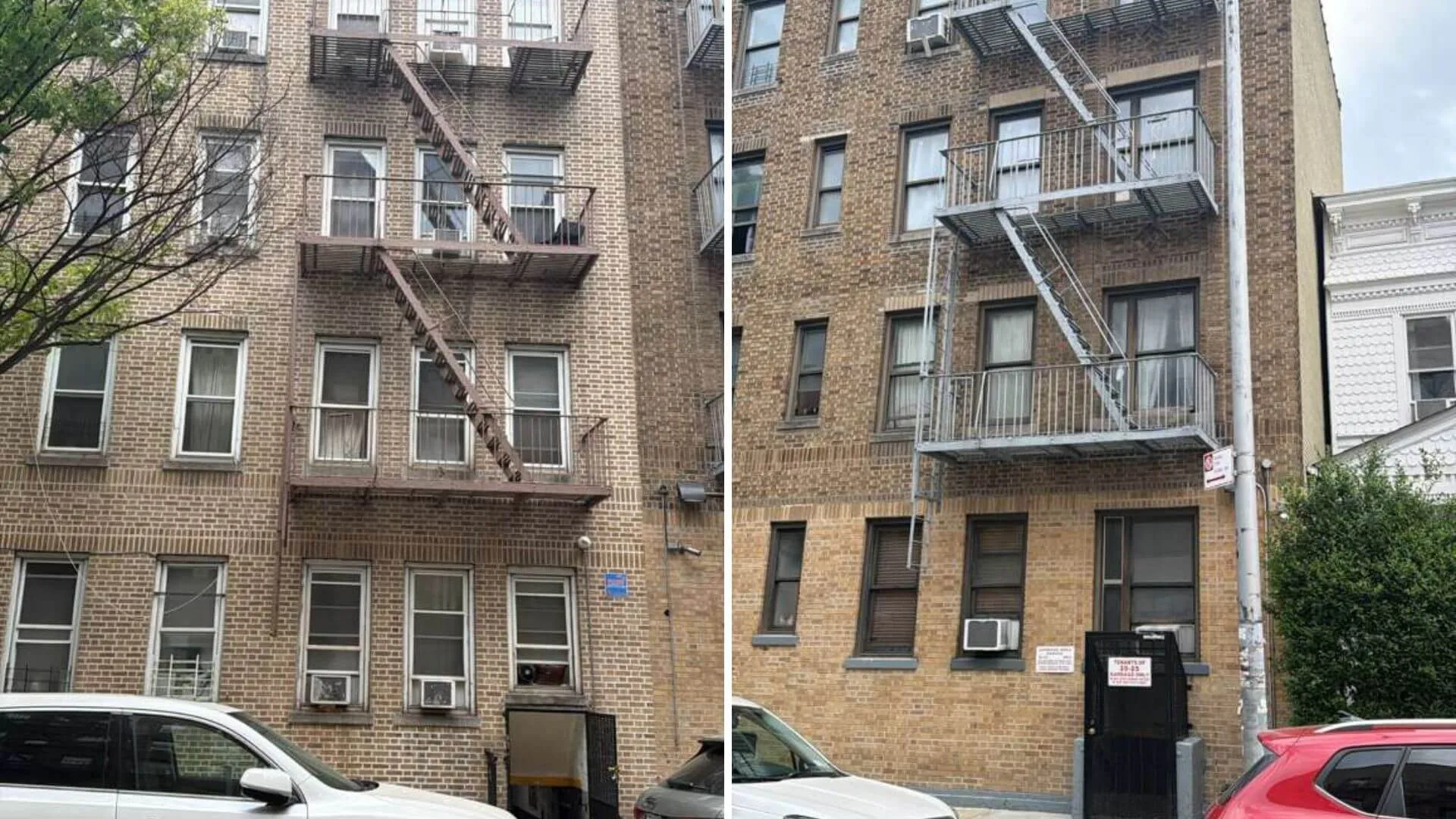
Fire-escape violations originate from several code sections, and each condition requires a specific correction strategy before DOB accepts the filing. Here is how we help:
We specialize solely in fire escapes, including repair, restoration, welding, painting, and FISP compliance work.
We coordinate directly with the QEWI to help the repair pass re-inspection without repeated cycles of correction.
Our crews mobilize within 2 to 4 hours after FISP-3 filings to stabilize hazards and begin corrective fire escape work.
We perform AWS-standard structural welding and use RRP-safe methods to handle pre-1978 lead paint conditions.
Every repair includes organized documentation prepared to support amended FISP filing through DOB NOW.
Our Upper West Side co-op received an UNSAFE FISP-3 after the QEWI identified anchorage movement and missing treads. NYC Fire Escape Painting mobilized within days, coordinated directly with the engineer, and helped us file the amended report back to SAFE quickly.”
Michael Harrington, Co-op Board President, Upper West Side, Manhattan
“Cycle 10A inspection on our Bronx building flagged major rust through on the rear fire escape. NYC Fire Escape’s welding crew stabilized the structure, completed the repairs, and kept the timeline shorter than expected.”
Angela Rivera, Property Manager, Multi-Family Residential Building, Bronx
“Our Brooklyn mixed-use building had SWARMP conditions lingering from the previous cycle. Their trained and OSHA-certified team corrected the issues before the next filing deadline and helped us avoid UNSAFE escalation.”
David Kim, Building Owner, Mixed-Use Property, Brooklyn
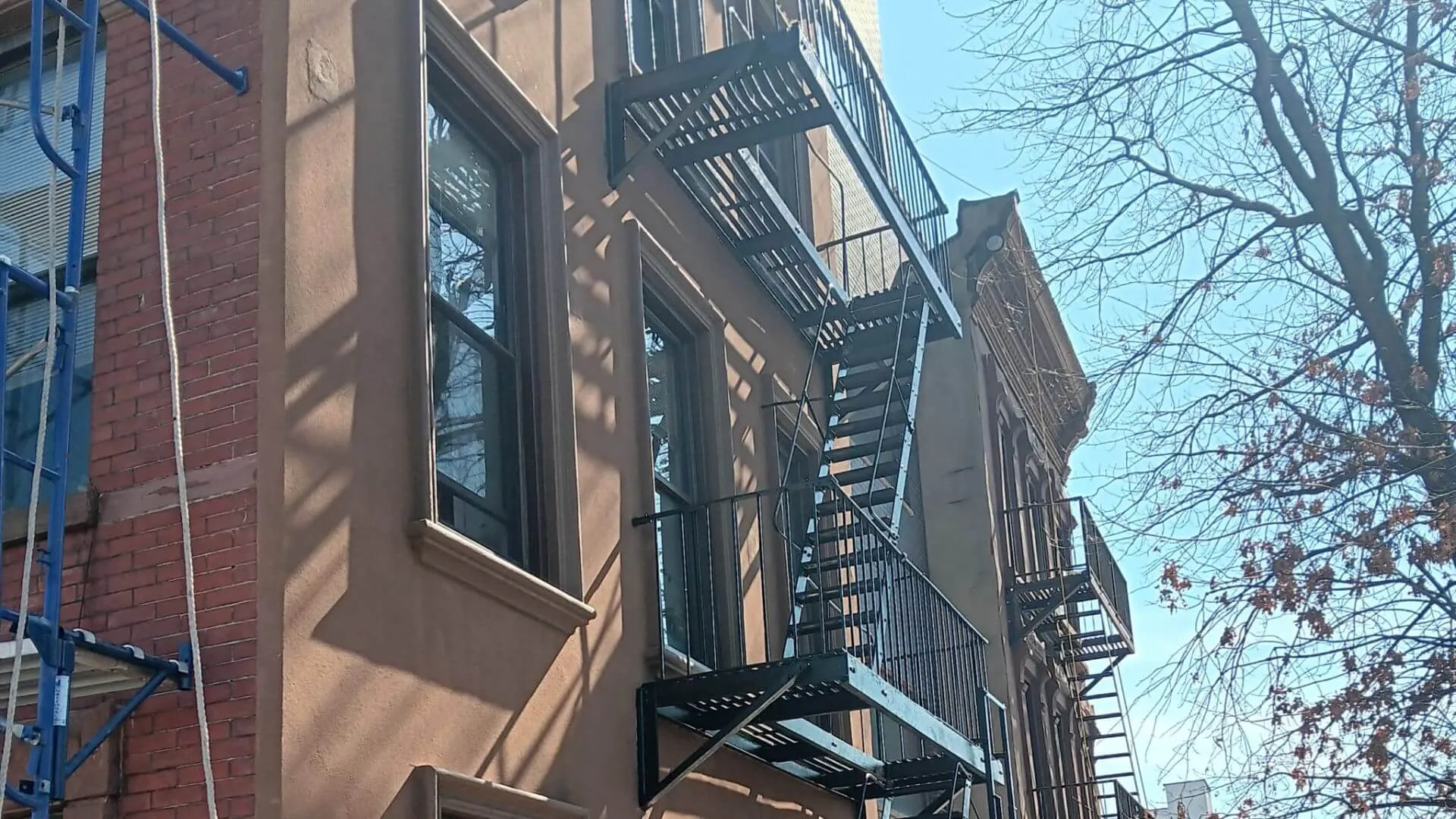


Each additional month means increased DOB penalties and liability exposure. Upload your FISP report today, and we will review the repair scope within 24 hours.
Yes, we inspect fire escapes before property purchase to identify hidden structural and permit issues, and possible DOB violations. It helps you to avoid unexpected repair costs after closing.
Yes, a fire escape can appear stable but still fail due to hidden rust, weakened welds, or loose anchor points that only a technical inspection can detect.
Yes, our OSHA-certified team provides both inspection and corrective work. iT allows property owners to resolve violations without coordinating multiple contractors.
Most inspections take a few hours, depending on building size, access points, and the number of fire escape systems being reviewed.
Yes, our reports support the New York City Department of Buildings records, insurance documentation, and compliance audits.
You should regularly check and formally review fire escapes during required façade cycles under Local Law 11 / FISP for applicable buildings.
We identify issues, prioritize safety risks, and guide you through the required repairs so the system quickly returns to compliance.
ask what you want to ask
NYC Fire Escape Painting is a licensed contractor providing fire escape repair, restoration, and violation correction across NYC. We are known for fast response, code-compliant work, and documented inspection support.
Quick Links
Contact Info